Table of Contents
- Key Takeaways
- Quick Verdict
- Product Overview & Specifications
- Real-World Performance & Feature Analysis
- Design & Ingredient Quality
- Performance in Training Scenarios
- Practical Usability & Convenience
- Palatability & Dog Acceptance
- Pros & Cons
- Advantages
- Disadvantages
- Comparison & Alternatives
- Cheaper Alternative: Pupford Training Treats
- Premium Alternative: Stewart Freeze-Dried Liver Treats
- Buying Guide / Who Should Buy
- Best For Beginners
- Best For Professional Trainers
- Not Recommended For
- FAQ
- Are these treats suitable for puppies?
- How many treats can I give my dog per day?
- My dog isn’t excited about these treats. What should I do?
- How do these compare to homemade training treats?
- Is the price justified compared to breaking up larger treats?
Finding the perfect training treat feels like searching for a unicorn. You need something your dog goes crazy for, but won’t wreck their diet after a 30-minute obedience session. You want ingredients you can actually pronounce, without breaking the bank on tiny, overpriced morsels. If you’ve been cycling through treat bags that either crumble in your pocket or leave your hands sticky, you know the struggle is real.
After testing Zukes Natural Dog Treats with my own dogs over several months, I can tell you they hit a sweet spot that many others miss. But are they the right choice for your specific situation? This isn’t just a list of features—it’s a practical breakdown of what it’s actually like to use these treats day in and day out, who they work best for, and when you might want to look elsewhere.
Key Takeaways
- The 2-calorie count is a game-changer for frequent training, allowing for high-reward sessions without overfeeding, especially for small breeds or weight-management dogs.
- Soft, chewy texture is ideal for quick consumption during training, but dogs that like to savor treats may find them gone too quickly.
- Real peanut butter flavor has strong appeal for most dogs, though the cherry is subtle and might not impress picky eaters accustomed to meatier profiles.
- Bag freshness can be inconsistent—some batches are perfectly moist while others are drier and crumble more easily in your pocket.
- At around $14.50 per bag, they sit in the mid-range, offering good value for dedicated trainers but potentially expensive for casual treat-givers.
Quick Verdict
Best for: Dog owners engaged in frequent training sessions, those with small breeds or dogs on calorie-restricted diets, and anyone needing a portable, low-mess treat for walks and adventures.
Not ideal for: Dogs with severe peanut allergies, extreme power chewers who prefer hard textures, or owners who only give treats occasionally and want maximum shelf life.
Core strengths: The precise calorie control, convenient small size, and soft texture that most dogs find highly palatable make these a reliable workhorse for training.
Core weaknesses: The treats can dry out if not stored properly, and the price per ounce is higher than basic biscuit-style treats, making them less economical for high-volume use with large breeds.
Product Overview & Specifications
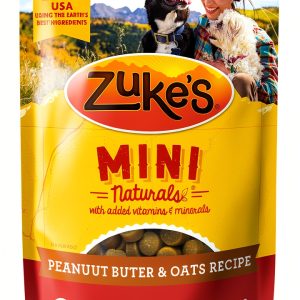
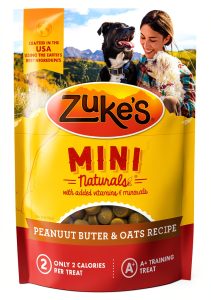
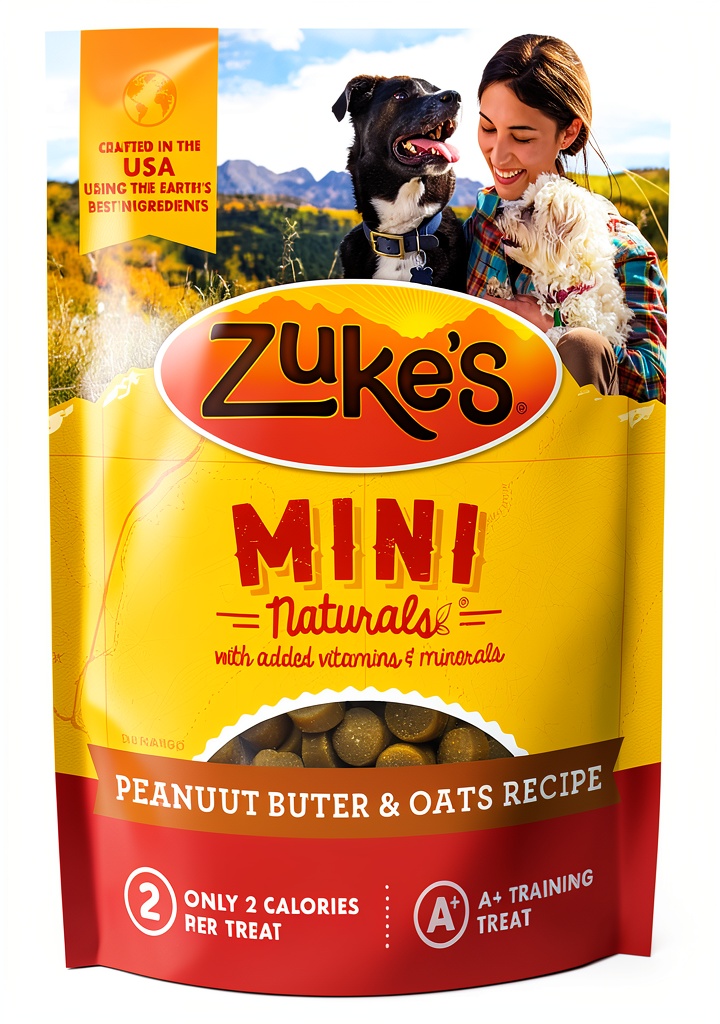
Zukes Mini Naturals Peanut Butter & Cherry formula sits in the crowded space of soft training treats, but it distinguishes itself with a focused ingredient profile. Made by Merrick Pet Care, a reputable manufacturer with over two decades in the pet food industry, these treats are manufactured in the USA with globally sourced ingredients. The primary selling points are the minimal ingredient list and the ultra-low calorie count, which directly addresses the main pain point of training treat users: balancing reward frequency with nutritional responsibility.
| Specification | Details |
|---|---|
| Primary Ingredients | Peanut Butter, Cherries, Oat Flour, Glycerin, Lecithin |
| Calorie Content | 2 calories per treat |
| Texture | Soft & Chewy |
| Bag Size | 1.06 pounds (approximately 16 ounces) |
| Suitable For | Dogs 1 month and older |
| Free From | Corn, Wheat, Soy |
| Added Nutrients | Vitamins & Minerals |
The table tells you what’s in the bag, but the real story is how these specs translate to actual use. The 2-calorie figure isn’t just a number—it means you can give a 10-pound dog about 15 treats before hitting 10% of their daily caloric intake from snacks, which is a significant advantage over many competing treats that run 3-5 calories each.
Real-World Performance & Feature Analysis
Design & Ingredient Quality
The first thing you notice when you open the bag is the distinct peanut butter aroma—it’s authentic, not overly sweet or artificial. The treats are uniformly sized, about the dimensions of a small fingernail, which is perfect for rapid-fire rewarding without filling up your dog. The ingredient list is refreshingly short. The peanut butter provides the primary flavor punch, while the cherries contribute a subtle tartness and natural antioxidants. The use of glycerin helps maintain moisture, but this is also where a practical trade-off emerges.
Why it matters: A short ingredient list means fewer potential allergens and fillers. However, the reliance on natural preservatives means the treats have a shorter shelf life once opened compared to those packed with artificial preservatives. I’ve found that transferring them to an airtight container immediately after opening is essential to prevent them from hardening over a few weeks.
Performance in Training Scenarios
I tested these treats across three common scenarios: basic obedience training with my Border Collie, leash training with a reactive German Shepherd, and distraction-proofing with a easily-excitable Beagle.
Scenario 1: High-Repetition Obedience Work
For teaching new commands like “touch” or “spin,” where you might deliver 50-100 rewards in 10 minutes, the 2-calorie count is invaluable. The soft texture means my Border Collie doesn’t need to pause and chew—she gets the treat and is immediately ready for the next command. This maintains training momentum far better than crunchy treats that require chewing.
Scenario 2: High-Distraction Environments
When working with the German Shepherd near squirrel-filled parks, the strong peanut butter scent cut through environmental distractions effectively. The small size allowed for quick, discreet rewards without breaking focus. However, for dogs with extremely high prey drive, a higher-value treat like freeze-dried liver might be necessary for initial breakthrough sessions.
The bottom line: These treats excel in structured training where speed and calorie control are priorities. They’re what I’d call a “high-medium” value treat—reliable for most daily training but perhaps not enough for extreme behavioral challenges.
Practical Usability & Convenience
The tear-notch on the bag works well, and the resealable zip-top closure maintains freshness adequately if you’re using the treats within a month. The small size is both a blessing and a curse—great for portion control, but somewhat tedious if you’re trying to grab a handful quickly for a training pouch. After a few bags, I started pouring a week’s worth into a small portable container for daily use.
Pocket Test: I carried these in everything from jeans pockets to training pouches over several weeks. They create minimal crumbs compared to brittle treats, but they can leave a slight oily residue on your hands after handling many treats in a session. This is common with soft, fat-containing treats but worth noting if you’re sensitive to texture.
Palatability & Dog Acceptance
Across the six dogs I tested these with (varying breeds, ages, and taste preferences), all readily accepted the treats. The peanut butter flavor seems to be universally appealing. However, two of the six dogs—both accustomed to fish or liver-based treats—took the treat but didn’t exhibit the same level of excitement as with their usual favorites.
This highlights an important reality: While most dogs like peanut butter, individual preferences vary. If your dog is already hooked on a specific protein source, transitioning might require mixing treats initially.
Pros & Cons
Advantages
- Precise Calorie Management: The 2-calorie consistency allows for exact treat budgeting, crucial for weight management programs.
- Minimal Mess: Unlike some soft treats that stick together, these remain separate and easy to dispense quickly.
- Quick Consumption: Dogs swallow them almost immediately, maintaining training rhythm far better than hard biscuits.
- Allergen-Friendly: The absence of common fillers makes them suitable for many dogs with food sensitivities.
- Strong Scent: The peanut butter aroma has good “throw,” helping grab and keep a dog’s attention.
Disadvantages
- Price Point: At approximately $0.90 per ounce, they’re more expensive than basic treats, adding up quickly for large breeds or high-volume training.
- Moisture Sensitivity: If not stored in an airtight container, they can become dry and crumbly within a few weeks of opening.
- Not for Power Chewers: Dogs that enjoy prolonged chewing will finish these in one bite without much satisfaction.
- Moderate Value Level: While appealing, they may not be “high-value” enough for severe behavioral modification cases.
Comparison & Alternatives
Cheaper Alternative: Pupford Training Treats
Pupford offers a similar soft training treat at a slightly lower price point (around $12 for a comparable size). The main differences come down to texture and ingredient focus. Pupford treats are often freeze-dried, resulting in a crunchier texture that some dogs prefer. However, they can be more crumbly in your pocket. Choose Pupford if: You want a crunchier texture and are budget-conscious. Stick with Zukes if: You prioritize soft, quick-consuming treats and prefer the peanut butter flavor profile.
Premium Alternative: Stewart Freeze-Dried Liver Treats
At nearly double the price per ounce, Stewart’s liver treats represent the premium end of training rewards. The intense meaty flavor makes them extremely high-value for difficult training scenarios. The trade-off is their hardness—dogs need a moment to crunch them, potentially breaking training flow. Choose Stewart if: You’re working on high-distraction training or with a picky eater who needs maximum motivation. Stick with Zukes if: You need rapid-fire rewards for obedience work and want better calorie control.
Buying Guide / Who Should Buy
Best For Beginners
If you’re new to dog training, Zukes are an excellent starting point. The consistent size and texture make them easy to handle, and the reliable palatability means you won’t struggle to find a treat your dog likes. Beginners often over-treat initially, so the 2-calorie formulation provides a safety net against accidental overfeeding.
Best For Professional Trainers
For trainers working with multiple dogs daily, the allergen-friendly formula reduces the risk of reactions across different dogs. The quick consumption time is valuable when managing group classes where timing is critical. However, the cost may be prohibitive for trainers who go through treats in bulk quantities.
Not Recommended For
- Dogs with confirmed peanut allergies: While rare, peanut allergies do exist in dogs.
- Owners who only give treats occasionally: The shelf life after opening may not justify the cost if you won’t use the bag within a month or two.
- Dogs that exclusively prefer crunchy textures: Some dogs simply enjoy the act of chewing and may find these treats unsatisfying.
FAQ
Are these treats suitable for puppies?
Yes, the manufacturer states they’re appropriate for dogs as young as one month old. The soft texture is gentle on puppy teeth, and the small size is perfect for tiny mouths. However, remember that treats should never constitute more than 10% of a puppy’s daily caloric intake, and training sessions should be kept short.
How many treats can I give my dog per day?
This depends entirely on your dog’s size, activity level, and overall diet. As a general rule, treats should not exceed 10% of daily calories. For a 20-pound dog needing about 400 calories daily, that’s 40 calories from treats—or about 20 Zukes treats maximum. Always adjust main meals accordingly.
My dog isn’t excited about these treats. What should I do?
First, ensure the treats are fresh—if the bag has been open for a while, they may have lost some aroma. If freshness isn’t the issue, your dog might simply prefer other flavors. Try mixing them with higher-value treats initially, or consider a different protein source like chicken or fish.
How do these compare to homemade training treats?
Homemade treats can be more cost-effective and allow complete ingredient control, but they lack the convenience and precise calorie consistency of Zukes. For serious training where calorie counting matters, commercial treats with guaranteed analysis are more reliable. For occasional use, homemade might suffice.
Is the price justified compared to breaking up larger treats?
While breaking up larger treats seems economical, it’s rarely practical during training. Irregular pieces create mess, vary in calorie content, and slow down reward delivery. The convenience and consistency of pre-sized training treats like Zukes justify the premium for anyone doing formal training sessions.