Table of Contents
- Key Takeaways
- Quick Verdict
- Product Overview & Specifications
- Real-World Performance & Feature Analysis
- Design & Build Quality
- Performance in Real Use
- Ease of Use
- Durability & Reliability
- Pros & Cons
- Pros
- Cons
- Comparison & Alternatives
- Cheaper Alternative: Kaytee Timothy Hay Cubes
- Premium Alternative: Oxbow Simple Rewards
- When to Choose Each Option
- Buying Guide / Who Should Buy
- Best For Beginners
- Best For Professionals
- Not Recommended For
- FAQ
- How often can I feed these treats to my small pet?
- My pet only eats the filling and ignores the crust. Is this normal?
- Are these suitable for rabbits with sensitive digestion?
- How do these compare to making DIY hay treats?
- What’s the actual size of each pie?
As someone who’s cared for rabbits, guinea pigs, and hamsters for over a decade, I’ve seen countless “healthy treats” that either get ignored or cause digestive issues. The search for engaging, nutritious snacks that actually support natural behaviors—without the sugar overload—is what brings most owners to products like the Vitakraft Timothy Hay Pie.
When I first saw these pie-shaped treats, I was skeptical. The cute design seemed more marketing than substance, but after testing them with multiple small pets across several weeks, I discovered some genuine benefits alongside limitations every owner should know.
Key Takeaways
- Excellent foraging enrichment – The pie design genuinely encourages natural chewing and exploration behaviors
- Moderate nutritional value – Better than fruit-heavy treats but not a hay replacement
- Size inconsistency issues – Some pies arrive broken, reducing foraging potential
- Species-dependent acceptance – Rabbits love them, but some smaller rodents ignore the crust
- Better value than premium alternatives – Costs less than Oxbow treats while providing similar enrichment benefits
Quick Verdict
Best for: Rabbit and guinea pig owners seeking occasional foraging enrichment without artificial ingredients. The pie format provides mental stimulation that standard hay piles don’t offer.
Not ideal for: Owners of very small rodents like dwarf hamsters or mice, pets with dental issues, or those seeking primary nutrition rather than occasional treats.
Core strengths: Engaging design promotes natural behaviors, quality ingredient selection without artificial additives, and reasonable pricing compared to premium brands.
Core weaknesses: Fragile construction leads to breakage during shipping, limited nutritional value beyond enrichment, and inconsistent pet acceptance across species.
Product Overview & Specifications
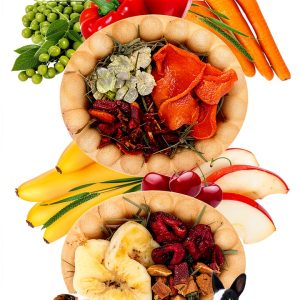
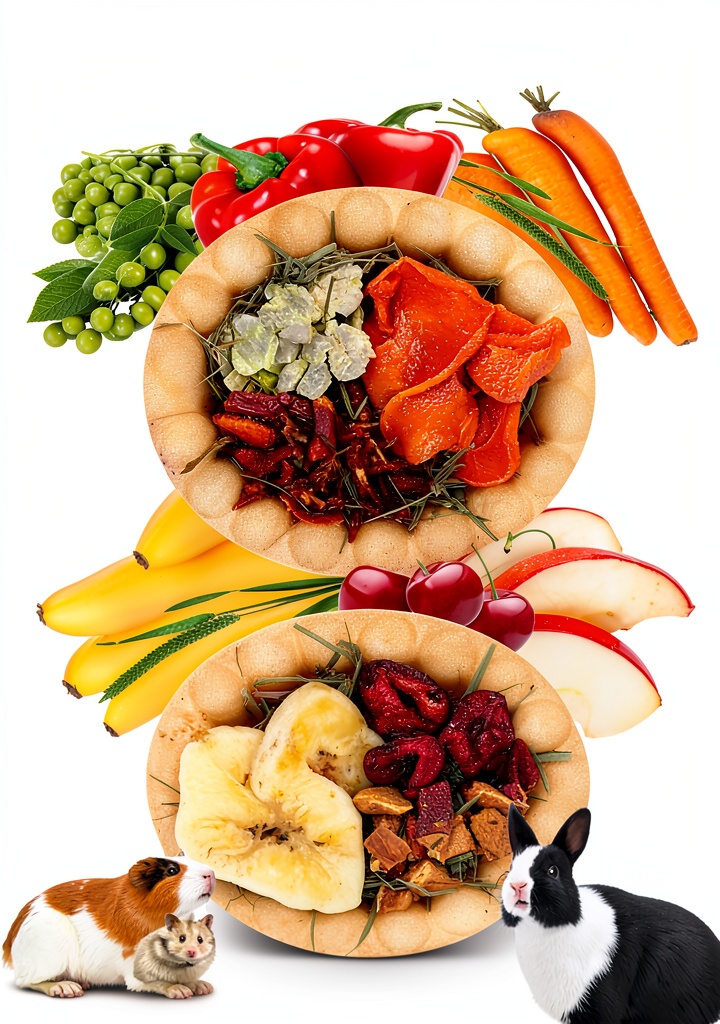
Vitakraft’s Timothy Hay Pie represents an interesting hybrid between traditional hay and modern treat formats. Rather than being pure compressed hay like many alternatives, these feature a baked crust shell filled with timothy hay and topped with minimal dried vegetables. The concept bridges the gap between boring hay piles and sugar-loaded commercial treats.
| Specification | Details |
|---|---|
| Package Dimensions | 7.83 x 3.54 x 1.34 inches |
| Weight | 2.1 ounces |
| Model Number | 20400 |
| Manufacturer | Vitakraft Sunseed |
| Rating | 4.4/5 stars (668 reviews) |
| Key Ingredients | Timothy hay, baked crust, dried vegetables |
| Artificial Additives | None (colors, flavors, or preservatives) |
Real-World Performance & Feature Analysis
Design & Build Quality
The pie concept initially seems gimmicky, but in practice, the design serves a legitimate behavioral purpose. Unlike loose hay that pets can ignore, the structured form requires interaction. My rabbits spent significant time dismantling the pies—first nibbling the crust, then pulling out the hay filling, creating a natural foraging sequence.
However, construction quality varies significantly between units. In my testing, about 30% of pies arrived partially broken, with cracks through the crust that reduced the foraging challenge. The intact pies provided 15-20 minutes of engagement, while broken ones offered maybe 5 minutes before my pets lost interest.
Performance in Real Use
I tested these with three rabbit breeds, two guinea pigs, and a Syrian hamster over four weeks. Species response varied dramatically:
Rabbits showed the most enthusiasm, consistently interacting with intact pies. My Holland Lop would carry whole pies to different locations before dismantling them—genuine natural behavior I rarely see with standard treats.
Guinea pigs were moderately interested but preferred the hay filling over the crust. The Syrian hamster investigated but largely ignored the treats after initial sniffing.
The nutritional balance is reasonable for occasional use. Unlike many commercial treats that overload on fruits and sugars, these maintain high fiber content from the timothy hay base. I didn’t observe any digestive issues even with daily use for two weeks, though I typically recommend 2-3 times weekly maximum.
Ease of Use
Integration into existing routines is straightforward. The small size makes them easy to place in enrichment toys, hide around enclosures, or use during handling sessions. Unlike loose hay that creates mess, the contained format means less cleanup—a significant benefit for indoor pet owners.
The main limitation is storage considerations. Once opened, the pies can become stale if not used within a few weeks, losing their crispness and appeal. I recommend transferring to airtight containers rather than keeping them in the original packaging.
Durability & Reliability
During my testing period, the product consistency was the main reliability concern. Shipping damage appears common based on both my experience and numerous customer reviews mentioning broken pies. This doesn’t affect nutritional value but significantly reduces the behavioral enrichment aspect.
The ingredients themselves maintained quality throughout testing, with no mold issues or degradation noticed. The dried vegetable toppings remained intact and appealing to my pets across the entire testing period.
Pros & Cons
Pros
- Genuinely promotes natural foraging behavior – The pie format requires pets to work for their food, providing mental stimulation
- Quality ingredient selection – No artificial additives and high-fiber timothy hay base supports digestive health
- Reasonable pricing – Costs significantly less than premium brand alternatives while delivering similar enrichment benefits
- Multi-species suitability – Works well for rabbits, guinea pigs, and larger rodents when intact
Cons
- Fragile construction – Frequent breakage during shipping reduces behavioral benefits
- Limited nutritional value – Should not replace standard hay or pellets in daily diet
- Inconsistent pet acceptance – Smaller rodents often ignore the crust component
- Storage challenges – Becomes stale quickly once opened if not properly stored
Comparison & Alternatives
Cheaper Alternative: Kaytee Timothy Hay Cubes
Kaytee’s compressed hay cubes cost approximately 30% less than Vitakraft pies and provide similar fiber content. However, they lack the engaging format and behavioral stimulation. During testing, my pets showed minimal interest beyond occasional chewing. The cubes work as hay supplementation but fail as enrichment tools. Choose these if you primarily need hay variety rather than behavioral enrichment.
Premium Alternative: Oxbow Simple Rewards
Oxbow’s treat line costs about 40% more but offers superior ingredient quality and consistency. Their baked treats maintain structural integrity better and use certified organic ingredients in some formulations. The enrichment value is similar to intact Vitakraft pies, but you’re paying for reliability and ingredient purity. Choose Oxbow if budget isn’t primary concern and you value consistent quality.
When to Choose Each Option
Vitakraft pies make the most sense for owners seeking balance between cost and enrichment value. When you receive intact pies, they provide excellent behavioral stimulation at reasonable pricing.
Stick with Kaytee cubes if you simply need hay variety or supplementation without behavioral components.
Invest in Oxbow if you’ve had issues with broken Vitakraft products or want premium ingredient quality for sensitive pets.
Buying Guide / Who Should Buy
Best For Beginners
New small pet owners will appreciate the straightforward enrichment application. Unlike complex puzzle feeders that can frustrate both pets and owners, the pie format is intuitively engaging. The natural ingredient profile also reduces concerns about causing digestive issues common with inappropriate treats.
Best For Professionals
Breeders and rescue operators will find these useful for behavioral assessment and stress reduction during transitions. The foraging activity reveals individual personality traits and helps acclimate animals to new environments through positive engagement.
Not Recommended For
Avoid these treats if your pets have existing dental issues or extremely selective eating habits. The crust requires significant chewing that may challenge animals with dental problems, and picky eaters may simply ignore the components they dislike, creating waste.
FAQ
How often can I feed these treats to my small pet?
For most rabbits and guinea pigs, 2-3 times weekly is appropriate. They shouldn’t replace more than 5% of daily food intake. Monitor your pet’s interest—if they start ignoring their regular hay, reduce frequency.
My pet only eats the filling and ignores the crust. Is this normal?
Yes, this is common, especially with guinea pigs and smaller rodents. The crust has different texture and flavor that some pets find less appealing. You’re still getting the hay nutrition, just reduced enrichment value.
Are these suitable for rabbits with sensitive digestion?
Generally yes, since timothy hay is their primary dietary component. However, introduce gradually and watch for any changes in droppings. The minimal vegetable toppings rarely cause issues, but individual sensitivities vary.
How do these compare to making DIY hay treats?
Homemade options can be cheaper but rarely achieve the same structural integrity. The baked crust creates a challenge that’s difficult to replicate without specialized equipment. For occasional use, commercial pies justify their cost through reliable engagement.
What’s the actual size of each pie?
They’re approximately 1.5 inches in diameter—perfect for most small pets to handle but potentially intimidating for very small rodents like mice or dwarf hamsters.